Cultural perceptions of gambling How different societies view luck and chance
Cultural perceptions of gambling How different societies view luck and chance
Understanding Gambling Across Cultures
Gambling has been a part of human society for centuries, manifesting in various forms around the world. Different cultures interpret the act of gambling through their own historical and social lenses, shaping their perceptions of luck and chance. For instance, in Western societies, gambling is often associated with entertainment and personal freedom, while in some Eastern cultures, it may be viewed with skepticism and moral concern. This dichotomy indicates how cultural norms and values can influence attitudes toward gambling. Many individuals explore options for leisure, including online casino real money, leading to diverse experiences across different regions.

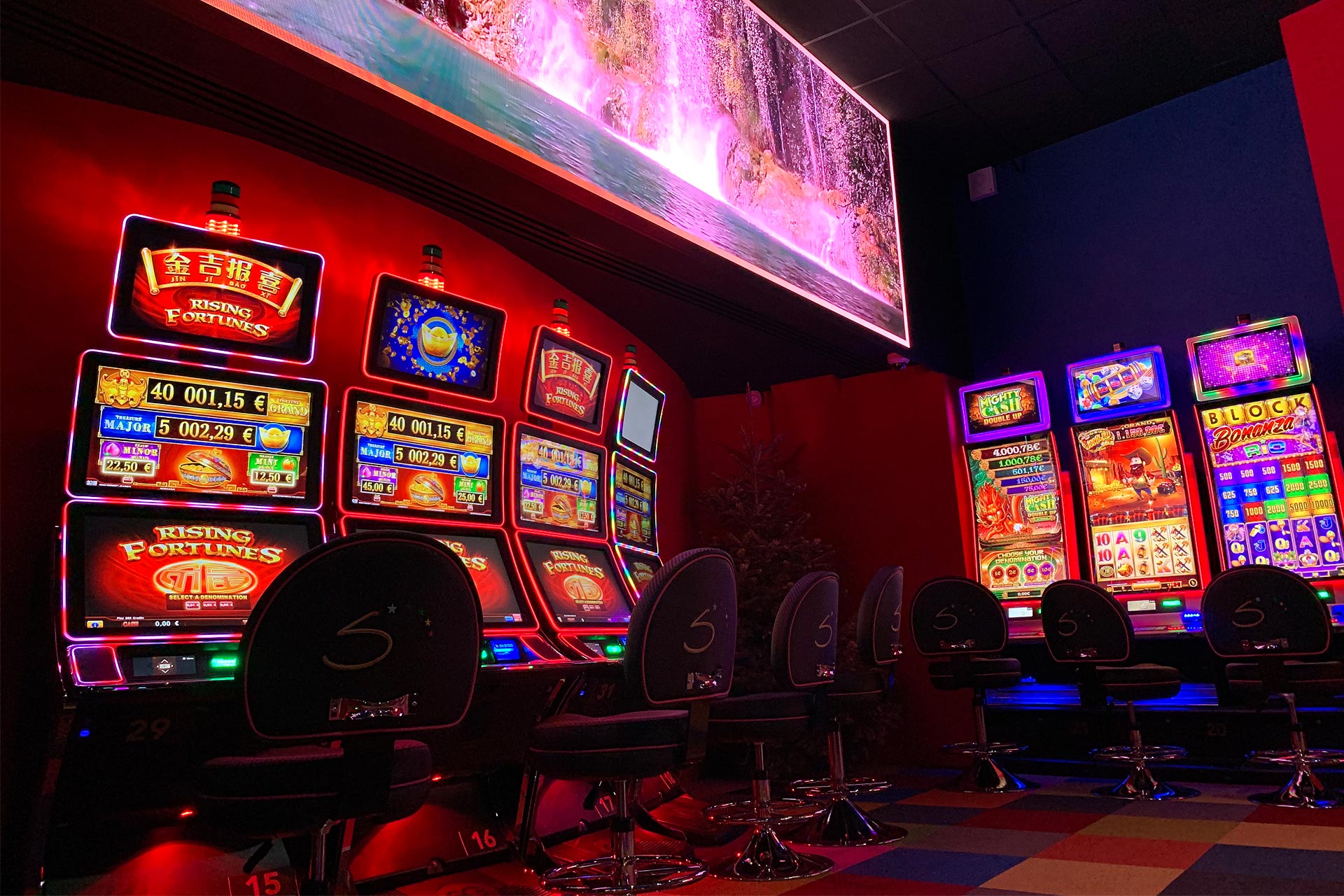
The evolution of gambling practices, from simple games of chance to elaborate casino operations, reflects these diverse perceptions. In places like Las Vegas, gambling is celebrated as a glamorous lifestyle choice, while in countries like Japan, gambling remains largely regulated and viewed with caution. Understanding these cultural perspectives is essential for grasping the broader implications of gambling on society.
The Role of Luck in Gambling
Luck plays a central role in gambling, but its interpretation varies significantly across cultures. In many Western contexts, luck is often seen as a random, external force that can favor anyone at any time. This belief fosters a sense of hope and excitement, drawing individuals into games of chance. Consequently, many casinos in the West heavily market the notion of luck, encouraging players to take risks with the promise of potential rewards.
Conversely, in some cultures, luck is intertwined with spiritual beliefs and rituals. For instance, in many Asian societies, luck is seen as a reflection of one’s fate and can be influenced by family lineage and personal behavior. Such beliefs lead to specific practices, such as consulting fortune tellers before engaging in gambling, highlighting the varying significance attributed to luck across different cultures.
Cultural Attitudes Toward Chance and Risk
Beyond luck, the concept of chance and risk is also perceived differently in various societies. In cultures that prioritize collective well-being, such as many Indigenous communities, gambling may be frowned upon due to its potential to disrupt social harmony. These societies often emphasize shared resources over individual risk-taking, viewing gambling as a potential source of division and conflict.
On the other hand, individualistic cultures tend to celebrate risk-taking as a pathway to personal achievement. This attitude is evident in places where gambling is seen not only as a leisure activity but also as a test of one’s abilities and strategies. This divergence in cultural attitudes toward chance and risk highlights the complexities of gambling as a social phenomenon.
Gambling Regulations and Their Cultural Implications
The regulation of gambling activities often reflects the cultural perceptions of a society. In countries where gambling is widely accepted, such as Monaco and the United States, regulations are typically focused on consumer protection and tax revenues. These nations view gambling as a legitimate form of entertainment that contributes to the economy, leading to an overall more positive perception among the public.
In contrast, regions where gambling is heavily restricted, such as in parts of the Middle East, often see it as a vice that should be avoided. These restrictions are not merely legal but are also deeply rooted in cultural and religious beliefs that condemn risk-taking behaviors. Such opposing regulatory frameworks illuminate how gambling practices and societal values intertwine, affecting public attitudes and behaviors.
Exploring Online Gambling and Cultural Views
With the rise of online gambling, cultural perceptions are continuing to evolve. Many societies are grappling with the implications of digital gambling platforms, which can blur the lines between acceptable leisure and problematic behavior. In cultures that embrace technology, online gambling can be seen as a modern form of entertainment, offering convenience and accessibility.
However, in societies with strict views on gambling, the emergence of online platforms raises concerns about addiction and moral decay. The anonymity and ease of access can exacerbate issues related to gambling addiction, prompting debates about the need for regulation and education. As such, the cultural perceptions of gambling are likely to shape how societies approach and regulate online gaming in the future.